
What Should We Put on the Table in the Autumn?
November 13, 2026
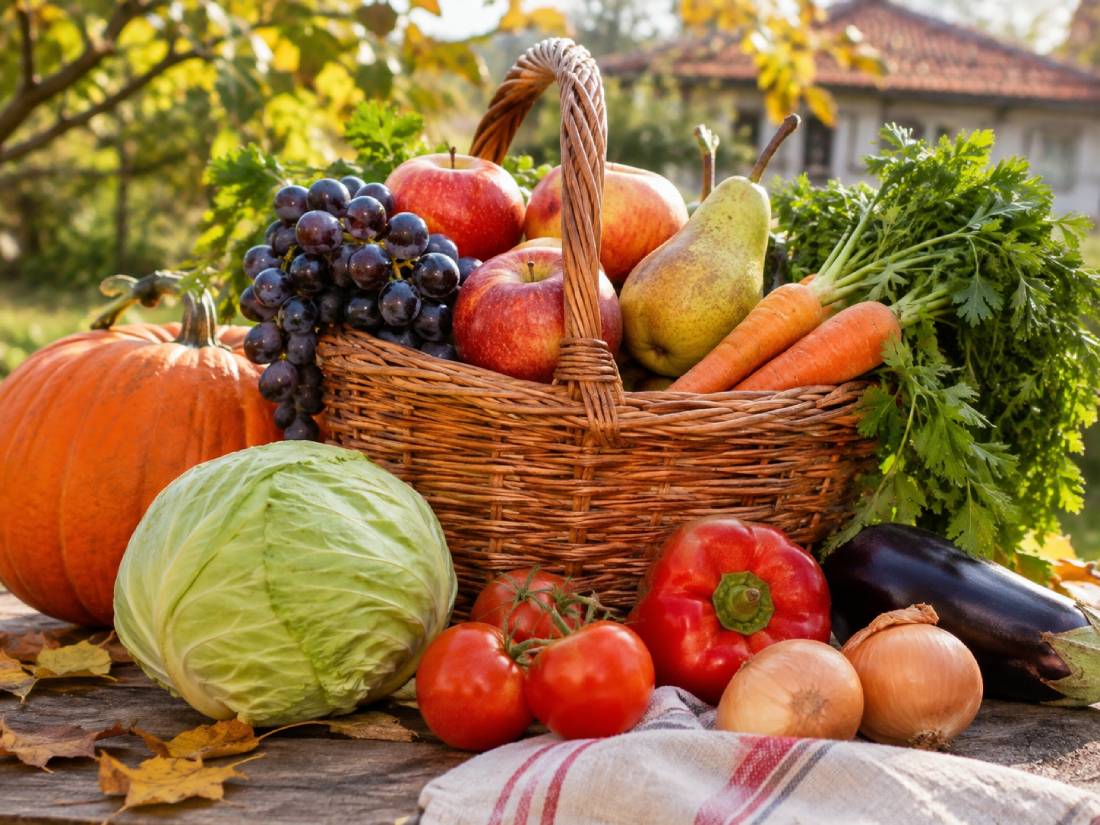
Autumn is a beautiful and generous season. It brings a rich harvest of fruits and vegetables, fills our homes with warm aromas, and reminds us of the importance of eating fresh, seasonal and locally produced food. In Bulgaria, where the climate is predominantly continental, autumn is a particularly important time for harvesting, preparing food for the winter and enjoying the produce of our land.
The autumn table reflects both the natural abundance of the season and the traditions of Bulgarian households. It brings together fresh vegetables, juicy fruits, dairy products and meat, offering countless opportunities for delicious and healthy meals.
Autumn is the season of many delicious and nutritious fruits. Bulgarian gardens and orchards provide an abundance of: Apples and pears – rich in fibre and vitamins, they are perfect for eating fresh or using in desserts.
Grapes – sweet and juicy, they can be enjoyed fresh or used to make juice and other traditional products.
Quinces – wonderfully aromatic fruits, often used to prepare compotes, jams and baked desserts.
Plums – delicious fresh or dried, and traditionally used to make plum jam and other preserves.
Walnuts and hazelnuts – valuable sources of healthy fats, minerals and energy.
These fruits can easily become part of our daily diet. They are ideal for breakfast, snacks and homemade desserts.
Autumn vegetables are an essential part of a healthy and varied diet. At this time of year, Bulgarian markets and gardens offer a wide selection of fresh produce, including:
Pumpkin – rich in beta-carotene, it is excellent for soups, purées and desserts.
Cabbage – a traditional ingredient in Bulgarian cuisine, used fresh, cooked or fermented.
Carrots – a source of beta-carotene and fibre, suitable for salads, soups and stews.
Potatoes – versatile and nourishing, they can be baked, boiled or roasted.
Beetroot – rich in valuable nutrients and delicious in salads and cooked dishes.
Peppers and tomatoes – still available during the early autumn months and widely used in traditional recipes.
Onions, garlic and eggplants – essential ingredients in many Bulgarian dishes.
Eating seasonal vegetables helps us enjoy food at its freshest while providing our bodies with a variety of vitamins, minerals and fibre.
In Bulgaria, meat and dairy products have long been an important part of everyday meals. Autumn is a season when families often prepare hearty dishes using locally produced ingredients.
Pork, chicken, beef and lamb are commonly used in soups, stews and oven-baked meals. Combined with seasonal vegetables, they make nutritious and satisfying dishes.
Dairy products also have a special place on the Bulgarian table. Yoghurt, white brined cheese (sirene) and yellow cheese (kashkaval) are traditional foods that provide protein and calcium. Bulgarian yoghurt, famous for its distinctive taste and live bacterial cultures, is especially valued.
A balanced diet does not mean avoiding meat or dairy products. It means choosing good-quality ingredients and consuming them in appropriate amounts, alongside plenty of vegetables, fruits and whole grains.
Autumn has always been a busy and meaningful season in Bulgarian households. It is the time when families gather the harvest, prepare food for the colder months and preserve the flavours of summer.
Making pickles, preparing roasted peppers, cooking tomato sauce and making jams and compotes are traditions passed down through generations. Many families still prepare homemade lyutenitsa – a popular Bulgarian vegetable spread made mainly from peppers and tomatoes.
Autumn is also associated with family gatherings and traditional celebrations. One example is St. Demetrius' Day (Dimitrovden), celebrated on 26 October. Traditionally, this day marks an important seasonal transition and is associated with the end of the agricultural year and the arrival of colder weather.
These customs remind us that food is not simply a necessity. It is also part of our cultural heritage and a way of bringing families together.
As the weather becomes colder, it is important to maintain a varied and balanced diet. Seasonal foods provide many of the nutrients our bodies need.
Here are a few simple recommendations:
Eat a variety of fresh fruits and vegetables every day.
Include fibre-rich foods such as cabbage, carrots, apples and whole grains.
Choose moderate portions of meat and include fish, eggs and legumes in your diet.
Enjoy yoghurt and other dairy products as part of a balanced eating plan.
Drink enough water, even when you do not feel as thirsty as you do in summer.
Prefer homemade meals and limit highly processed foods. Use herbs and spices to add flavour instead of relying on excessive amounts of salt.
Eating seasonally is not only good for our health but can also support local farmers and encourage more sustainable food choices.
1. Pumpkin and Carrot Soup
Ingredients:
500 g pumpkin
2 carrots
1 potato
1 onion
1 tablespoon olive oil
Salt and black pepper
Water or vegetable stock
Method:
Peel and chop the vegetables. Sauté the onion briefly in olive oil, then add the pumpkin, carrots and potato. Pour in enough water or vegetable stock to cover the vegetables. Cook until tender, then blend until smooth. Season with salt and pepper. Serve warm, with a little yoghurt or toasted pumpkin seeds if desired.
2. Roasted Autumn Vegetables with Cheese
Ingredients:
2 potatoes
2 carrots
1 red pepper
1 onion
1 small eggplant
2 tablespoons olive oil
Salt, black pepper and dried herbs
100 g Bulgarian white brined cheese (sirene)
Method:
Wash and cut the vegetables into similar-sized pieces. Place them in a baking tray, drizzle with olive oil and season with salt, pepper and herbs. Roast at 200°C until tender and lightly golden. Crumble the cheese over the vegetables just before serving.
This simple dish is colourful, nutritious and full of autumn flavour.
3. Baked Apples with Walnuts, Cinnamon and Honey
Ingredients:
4 apples
50 g chopped walnuts
2 tablespoons honey
1 teaspoon cinnamon
Method:
Wash the apples and carefully remove their cores. Mix the chopped walnuts with honey and cinnamon. Fill the apples with the mixture and place them in a baking dish. Add a little water to the bottom of the dish and bake at 180°C for approximately 25–30 minutes, until soft.
Serve warm as a delicious homemade autumn dessert.
Autumn offers an abundance of fresh and delicious foods that can make our meals both healthy and enjoyable. Bulgarian fruits and vegetables, locally produced meat and dairy products, and traditional homemade recipes create a wonderful foundation for a balanced diet.
By choosing seasonal ingredients, supporting local producers and preserving the best of our culinary traditions, we can enjoy the richness of autumn while taking care of our health.
The autumn table is more than just food – it is a celebration of nature, family, tradition and the simple pleasure of sharing a good meal.
The autumn table reflects both the natural abundance of the season and the traditions of Bulgarian households. It brings together fresh vegetables, juicy fruits, dairy products and meat, offering countless opportunities for delicious and healthy meals.
The Fruits of Autumn
Autumn is the season of many delicious and nutritious fruits. Bulgarian gardens and orchards provide an abundance of: Apples and pears – rich in fibre and vitamins, they are perfect for eating fresh or using in desserts.
Grapes – sweet and juicy, they can be enjoyed fresh or used to make juice and other traditional products.
Quinces – wonderfully aromatic fruits, often used to prepare compotes, jams and baked desserts.
Plums – delicious fresh or dried, and traditionally used to make plum jam and other preserves.
Walnuts and hazelnuts – valuable sources of healthy fats, minerals and energy.
These fruits can easily become part of our daily diet. They are ideal for breakfast, snacks and homemade desserts.
Seasonal Vegetables – The Colours of Autumn
Autumn vegetables are an essential part of a healthy and varied diet. At this time of year, Bulgarian markets and gardens offer a wide selection of fresh produce, including:
Pumpkin – rich in beta-carotene, it is excellent for soups, purées and desserts.
Cabbage – a traditional ingredient in Bulgarian cuisine, used fresh, cooked or fermented.
Carrots – a source of beta-carotene and fibre, suitable for salads, soups and stews.
Potatoes – versatile and nourishing, they can be baked, boiled or roasted.
Beetroot – rich in valuable nutrients and delicious in salads and cooked dishes.
Peppers and tomatoes – still available during the early autumn months and widely used in traditional recipes.
Onions, garlic and eggplants – essential ingredients in many Bulgarian dishes.
Eating seasonal vegetables helps us enjoy food at its freshest while providing our bodies with a variety of vitamins, minerals and fibre.
Meat and Dairy Products – Part of Our Food Traditions
In Bulgaria, meat and dairy products have long been an important part of everyday meals. Autumn is a season when families often prepare hearty dishes using locally produced ingredients.
Pork, chicken, beef and lamb are commonly used in soups, stews and oven-baked meals. Combined with seasonal vegetables, they make nutritious and satisfying dishes.
Dairy products also have a special place on the Bulgarian table. Yoghurt, white brined cheese (sirene) and yellow cheese (kashkaval) are traditional foods that provide protein and calcium. Bulgarian yoghurt, famous for its distinctive taste and live bacterial cultures, is especially valued.
A balanced diet does not mean avoiding meat or dairy products. It means choosing good-quality ingredients and consuming them in appropriate amounts, alongside plenty of vegetables, fruits and whole grains.
Traditions and Everyday Life in Bulgaria during autumn
Autumn has always been a busy and meaningful season in Bulgarian households. It is the time when families gather the harvest, prepare food for the colder months and preserve the flavours of summer.
Making pickles, preparing roasted peppers, cooking tomato sauce and making jams and compotes are traditions passed down through generations. Many families still prepare homemade lyutenitsa – a popular Bulgarian vegetable spread made mainly from peppers and tomatoes.
Autumn is also associated with family gatherings and traditional celebrations. One example is St. Demetrius' Day (Dimitrovden), celebrated on 26 October. Traditionally, this day marks an important seasonal transition and is associated with the end of the agricultural year and the arrival of colder weather.
These customs remind us that food is not simply a necessity. It is also part of our cultural heritage and a way of bringing families together.
Autumn Healthy Eating
As the weather becomes colder, it is important to maintain a varied and balanced diet. Seasonal foods provide many of the nutrients our bodies need.
Here are a few simple recommendations:
Eat a variety of fresh fruits and vegetables every day.
Include fibre-rich foods such as cabbage, carrots, apples and whole grains.
Choose moderate portions of meat and include fish, eggs and legumes in your diet.
Enjoy yoghurt and other dairy products as part of a balanced eating plan.
Drink enough water, even when you do not feel as thirsty as you do in summer.
Prefer homemade meals and limit highly processed foods. Use herbs and spices to add flavour instead of relying on excessive amounts of salt.
Eating seasonally is not only good for our health but can also support local farmers and encourage more sustainable food choices.
Three Delicious Autumn Recipes
1. Pumpkin and Carrot Soup
Ingredients:
500 g pumpkin
2 carrots
1 potato
1 onion
1 tablespoon olive oil
Salt and black pepper
Water or vegetable stock
Method:
Peel and chop the vegetables. Sauté the onion briefly in olive oil, then add the pumpkin, carrots and potato. Pour in enough water or vegetable stock to cover the vegetables. Cook until tender, then blend until smooth. Season with salt and pepper. Serve warm, with a little yoghurt or toasted pumpkin seeds if desired.
2. Roasted Autumn Vegetables with Cheese
Ingredients:
2 potatoes
2 carrots
1 red pepper
1 onion
1 small eggplant
2 tablespoons olive oil
Salt, black pepper and dried herbs
100 g Bulgarian white brined cheese (sirene)
Method:
Wash and cut the vegetables into similar-sized pieces. Place them in a baking tray, drizzle with olive oil and season with salt, pepper and herbs. Roast at 200°C until tender and lightly golden. Crumble the cheese over the vegetables just before serving.
This simple dish is colourful, nutritious and full of autumn flavour.
3. Baked Apples with Walnuts, Cinnamon and Honey
Ingredients:
4 apples
50 g chopped walnuts
2 tablespoons honey
1 teaspoon cinnamon
Method:
Wash the apples and carefully remove their cores. Mix the chopped walnuts with honey and cinnamon. Fill the apples with the mixture and place them in a baking dish. Add a little water to the bottom of the dish and bake at 180°C for approximately 25–30 minutes, until soft.
Serve warm as a delicious homemade autumn dessert.
Conclusion
Autumn offers an abundance of fresh and delicious foods that can make our meals both healthy and enjoyable. Bulgarian fruits and vegetables, locally produced meat and dairy products, and traditional homemade recipes create a wonderful foundation for a balanced diet.
By choosing seasonal ingredients, supporting local producers and preserving the best of our culinary traditions, we can enjoy the richness of autumn while taking care of our health.
The autumn table is more than just food – it is a celebration of nature, family, tradition and the simple pleasure of sharing a good meal.


 © 2025
 order.bg
 booky.bg
 Digitalno Menu